
Electronic invoicing: what businesses should prepare for 2027
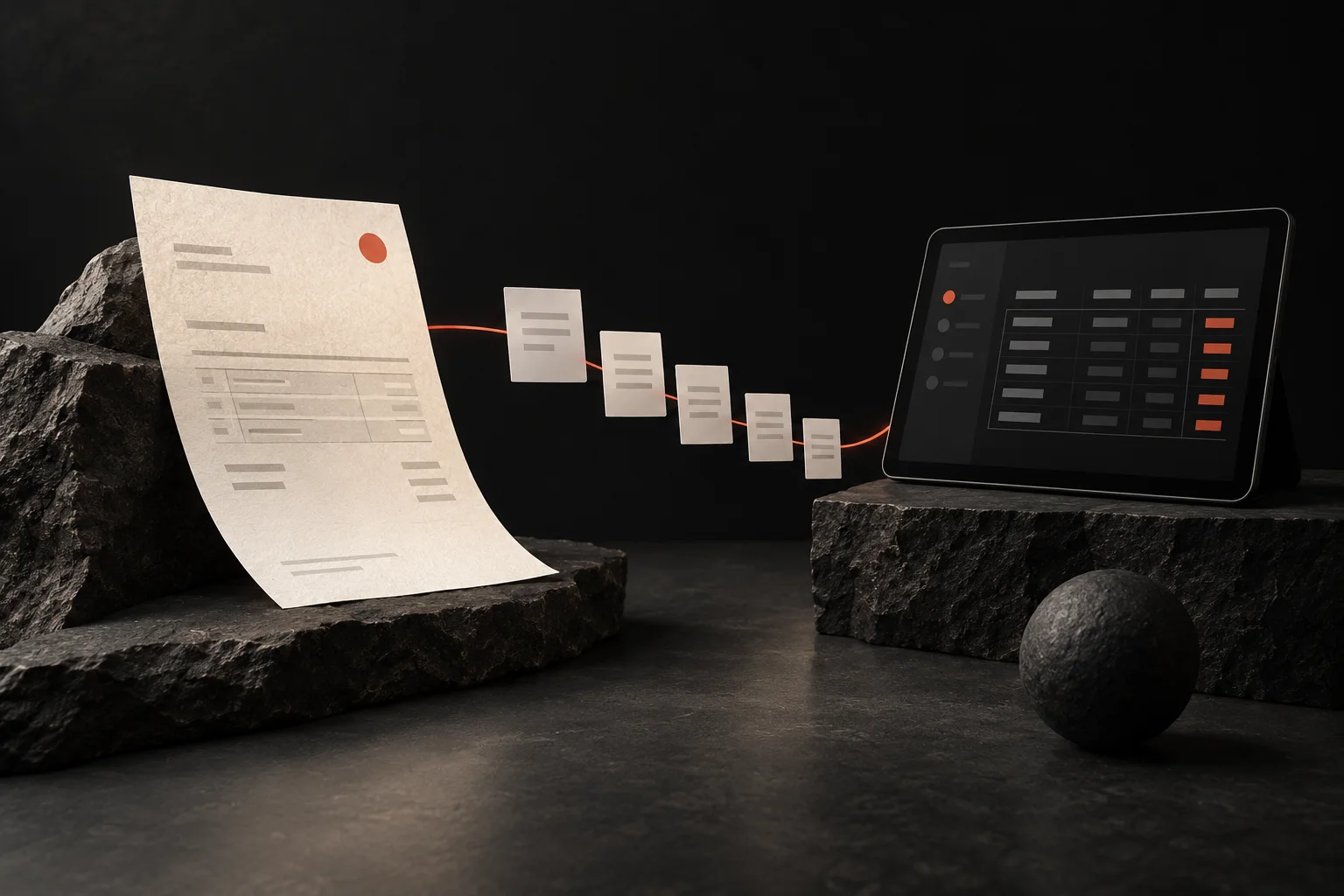
‘We’ve been sending invoices as PDFs for years.’ That sounds like a settled issue. But an ordinary PDF is not enough for Germany’s electronic invoicing obligation. What matters is structured invoice data that enables electronic processing. Section 14(1) UStG
For planning, distinguish two tasks: being able to receive electronic invoices and being required to issue electronic invoices yourself. Different transitional rules apply to these.
Editorial team: IDEA Redaktion · Specialist sources checked on 4 October 2026
Key points at a glance
Receipt is already required. For issuing invoices in 2027, check previous-year turnover and exemptions. Include structured original files in the workflow.
What is an electronic invoice?
An electronic invoice contains invoice information in a structured format. A scanned sheet or simple PDF is instead an ‘other invoice’. This follows from the statutory distinction in Section 14 UStG.
Common formats include XRechnung and suitable ZUGFeRD versions. For ZUGFeRD, the Federal Ministry of Finance identifies versions from 2.0.1 onwards, excluding the MINIMUM and BASIC-WL profiles. Not every file with ‘ZUGFeRD’ in its name is therefore automatically suitable. Federal Ministry of Finance: permitted formats, question 7
The practical software selection question is therefore: can the system correctly create, receive, display and pass on the required data? An attractive invoice template alone does not answer that.
Which dates matter?
The following rules generally concern invoices for covered transactions between domestic businesses. What matters is when the service is provided, not just when the invoice is written. Exemptions must still be considered; separate rules may also apply to public-sector customers. Federal Ministry of Finance, questions 2 and 4a
| Date | What to plan for |
|---|---|
| Since 1 January 2025 | Domestic businesses must be able to receive electronic invoices, including small businesses using the VAT exemption. |
| Until the end of 2026 | The general transitional rules may be used for issuing invoices: paper remains possible, while a simple PDF requires the recipient’s consent. |
| In 2027 | This transitional rule remains available where the issuer’s previous-year turnover was no more than €800,000. For 2027, this generally means turnover in 2026. Above that threshold, this general extension does not apply. |
| From 2028 | The transitional rules mentioned end. Statutory exemptions remain. |
For certain EDI processes, an additional transitional rule applies until the end of 2027 with the recipient’s consent. The statutory deadlines are in Section 27(38) UStG; the receipt capability already required is explained by the Federal Ministry of Finance in question 12.
Are there exemptions?
Yes. Exceptions to the issuing obligation include small-value invoices up to €250 gross and invoices from small businesses for the relevant VAT-exempt supplies. The small business exemption concerns issuing invoices, not the ability to receive them. Section 33 UStDV, Section 34a UStDV and Federal Ministry of Finance, questions 4 and 12
Invoices to private customers are also outside this general B2B obligation. Further special provisions apply to many VAT-exempt services. First check the nature of your transactions with bookkeeping before setting a date based solely on business size. Section 14(2) UStG
Is an email inbox enough to receive them?
According to the Federal Ministry of Finance, an email inbox can be sufficient for receipt. But this does not yet organise who checks, approves, pays and retains the invoice. Federal Ministry of Finance, question 8
For electronic invoices, the structured part in particular must be retained in its original, unaltered form. The VAT retention period is generally eight years; additional retention requirements may also apply. A printout alone is insufficient for the structured part. Section 14b UStG and Federal Ministry of Finance, question 13
Five tasks you can prepare now
1. Assign responsibility. Who checks incoming invoices, and who covers for them? Our recommendation: use a reliable business inbox rather than scattered personal mailboxes.
2. Check existing software. Ask the provider about supported formats and a complete test workflow. Also clarify this with your tax adviser so data exchange does not create another manual workaround.
3. Clean up master data. Check company names, addresses, tax numbers or VAT identification numbers and contacts. Do not transfer outdated details into a new system without checking.
4. Run through a test case. Create a clearly labelled test file outside the live invoicing process. Check creation, sending, receipt, display and filing with everyone involved. Do not create a second genuine payment claim.
5. Discuss error scenarios. What happens if a file is unreadable, information is missing or amounts differ from the order? Record who handles clarification and how a corrected invoice is received.
A fictional business with turnover of €950,000 in 2026 should prepare its covered invoices accordingly for 2027. A business with €500,000 may use the longer transitional period under the conditions described. Both already need functioning receipt processes. The specific action required therefore follows from actual transactions and workflows – not the statement ‘But we’re only a small business’.
General guidance for Germany, not individual tax advice. Legal and source review: 4 October 2026. Federal Ministry of Finance FAQ dated March 2026. Examples are fictional; check deadlines again before later publication.
Read more: Deducting marketing costs from tax.